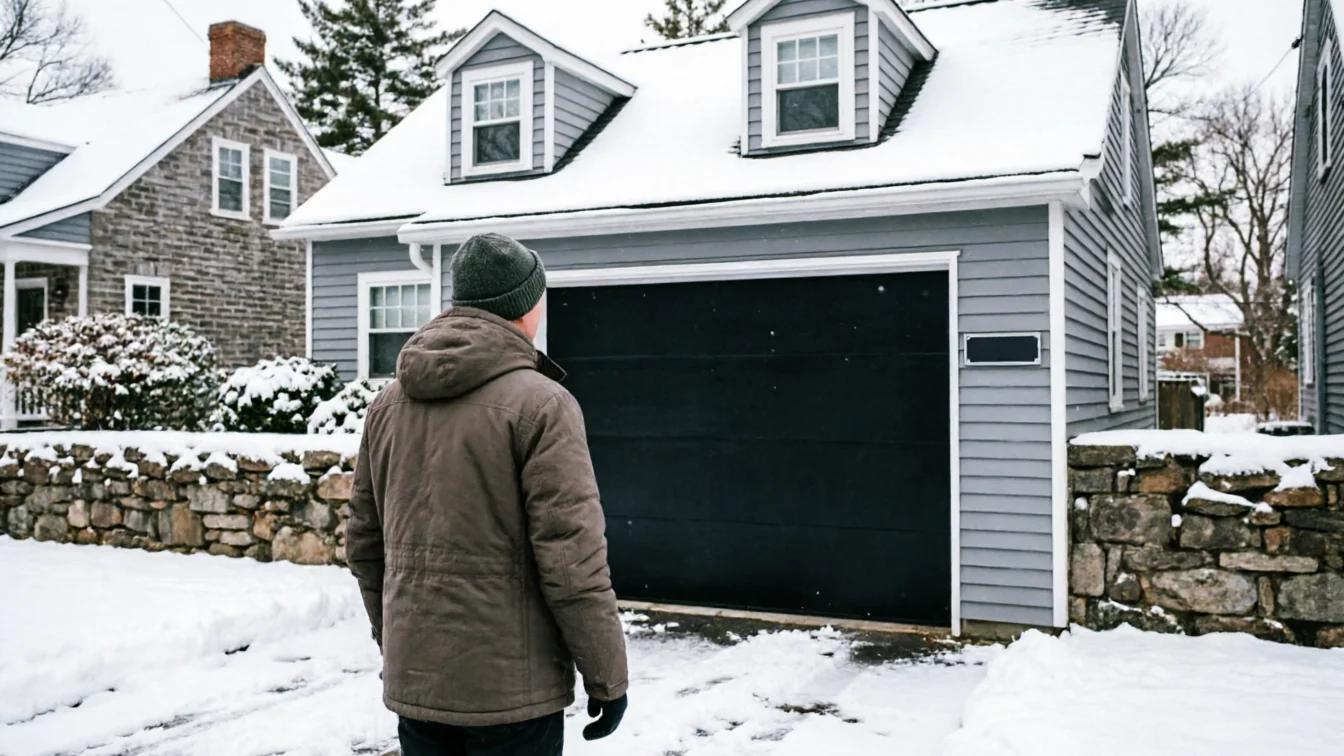
Local detail
What You Pay
We don't post a flat price here because the number depends on what's behind your existing door, and in this part of Framingham that varies more than you'd think. Most of the houses in the area went up between 1938 and 1993, with the bulk of that stock dating to the 1960s and '70s. That means a lot of openings that were framed to older lumber dimensions and hardware standards nobody makes new parts for. If your opening is original to a 1960s build, a replacement door often needs custom trim or a jamb repair before the new unit goes in, and that adds labor you won't see quoted on a big-box website. Newer builds nearer the edges of the service area, where some infill happened later, tend to have standard rough openings and go in faster. The honest limitation: we can't tell you a number without measuring the opening and seeing the track and header condition in person. Anyone who quotes you a flat door price over the phone for a Framingham-area house without asking the build year is guessing.
The area
What to Check
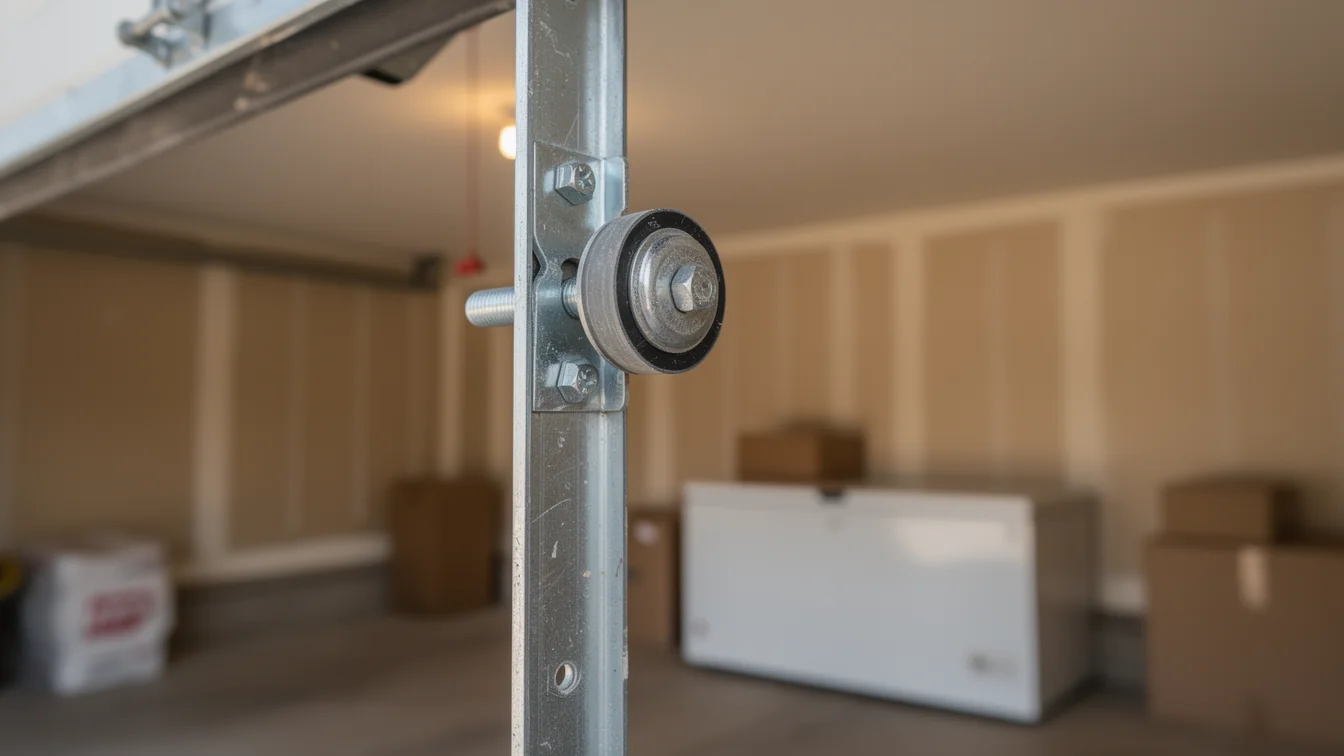
Before you call anyone, pull the tape measure and check your opening width and height against the door panel size - on older Framingham-area houses built in the 1938-1993 window, openings sometimes run a half-inch or more off modern standard sizing, which matters when you're comparing a stock door to what's actually there. Look at the track mounting too. Houses from the 1960s and '70s wave of construction common across the 74 named areas in this service territory often used side-mounted torsion hardware that newer doors aren't drilled for. Check the header above the opening for water staining or soft wood - in a cold climate like this one, ice damming off the roofline above a garage is a common cause of header rot that won't show until the new door won't seal right. Last, check insulation. A lot of original doors here were single-layer steel with no insulation at all, built for an era before anyone cared about that.
What we find
The Situation
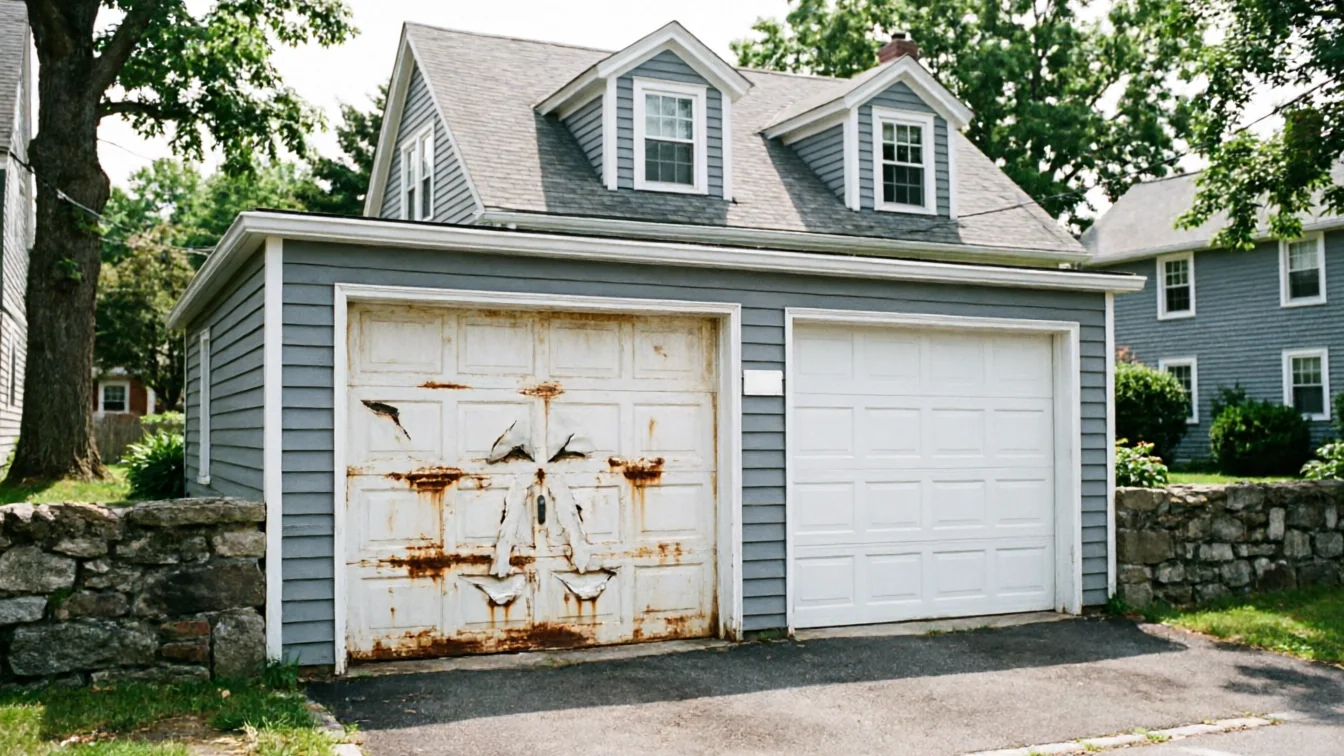
Framingham-area homeowners are mostly dealing with one of two situations: a door that's original or close to it, installed when the house was built sometime in that 1938-1993 range, or a door that was swapped once already in the decades since and is now itself 20-30 years old. The first group usually needs full replacement, not repair - the steel is thin, the spring system is outdated, and parts for it stopped being stocked years ago. The second group has more options, since 1990s-2000s doors can sometimes take a new opener or spring without full replacement. Median household income across the service area runs around $141,440, which puts insulated, higher-end doors within reach for a lot of owners here, and we see that reflected in what people choose - fewer bare steel single-layer doors going back in, more insulated models with better seals.
How we work
What the Weather Here Does to It
This is a cold-climate service area, and that's not a minor detail - it's the reason doors here fail differently than doors in a mild climate. Steel contracts in deep cold, and on an older door with a worn bottom seal, that contraction is enough to let the seal lift off the slab entirely on the coldest nights, which lets wind-driven snow and cold air under the door into the garage. Torsion springs also lose some tension in sustained cold, so a spring that was marginal in October can snap in January. If your door is original to a 1960s or '70s Framingham-area build, you're running hardware that was never rated for the insulation standards or seal designs used now. That's one more reason full replacement, not patchwork repair, is usually the right call once a door from that era starts showing real wear.
Talk to a local pro
Garage door trouble in Framingham?
Same-day service with honest, upfront quotes.