Local detail
What You Pay
We're not going to hand you a number that doesn't mean anything, because what a repair costs here depends on what's actually failing, and in Framingham that's usually tied to the age of the house. A lot of this service area was built between 1938 and 1993, with the median build year landing around 1968 - so a huge share of the doors we open up still have original torsion springs, worn rollers, or hardware that was never rated for the openers bolted onto it later. A spring swap on that era of door is a different job, and a different cost, than replacing a cracked panel on a door from the 2000s. Across the 74 named areas in this territory, the building stock skews heavily toward 1960s and 70s construction, which means the repair conversation usually starts with "how old is the spring" before anything else. We won't quote a number without seeing the door - too many variables, torsion vs. extension, single vs. double, steel gauge - but we will tell you straight when a repair isn't worth it against a door that's outlived its hardware.
The area
What to Check
Before you call anyone, listen for where the noise happens in the cycle. A grinding sound right as the door starts to lift usually points to a dry or worn roller - common on original 1960s-70s track that's never been lubricated. A loud bang partway up, followed by the door stopping dead, is almost always a torsion spring letting go, and on hardware this old, that's not a surprise, it's a matter of time. A rhythmic thump every few feet means a flat spot on a roller or a bent track section. Check the springs themselves: if you see a visible gap in the coil, stop using the door and call - don't try to open it yourself. We'll also tell you what we won't do here: we don't recommend DIY spring replacement on any torsion system, old or new. The tension involved has put people in the hospital, and that's one corner we won't help you cut.
What we find
The Situation
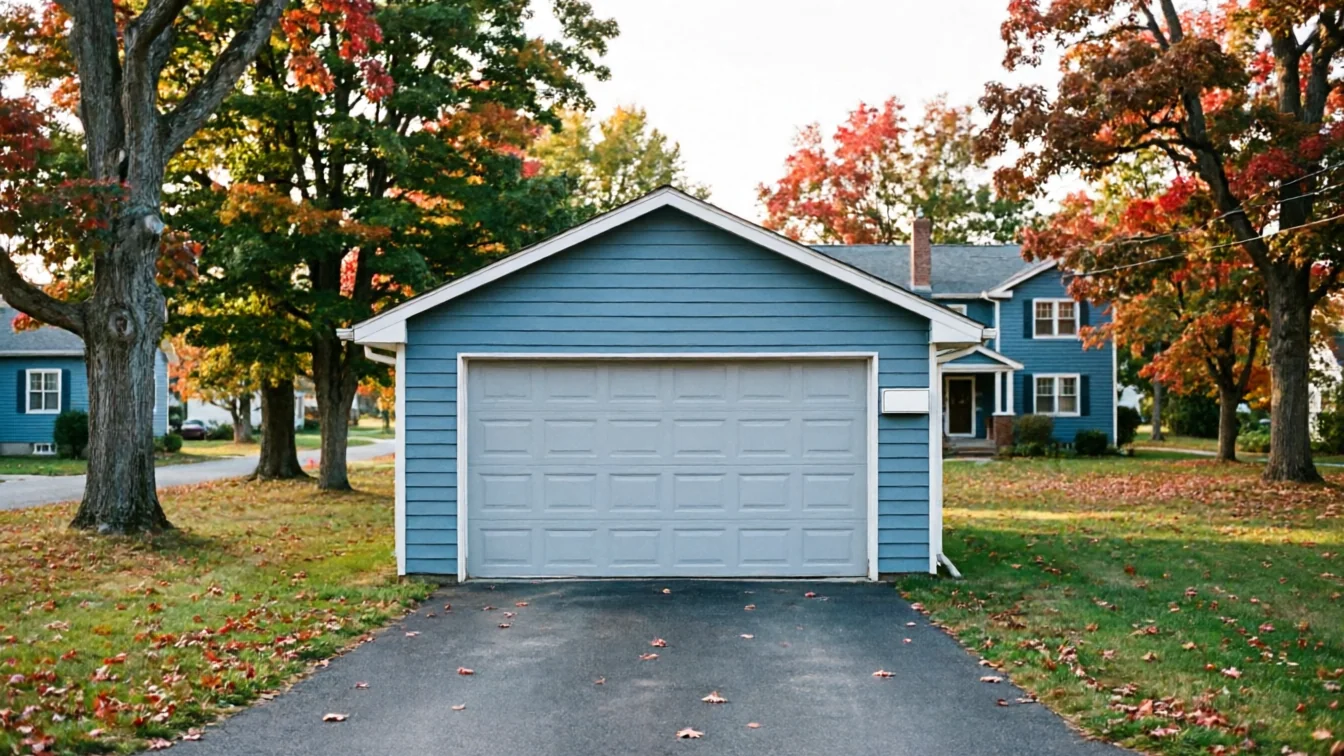
Framingham's garage doors are, on the whole, old. With a median household income of $141,440 across roughly 422,524 households and 199,031 owner-occupied houses in this territory, most owners here aren't buying a new door on a whim - they're maintaining what they've got until it genuinely can't be maintained anymore. That's the right instinct, most of the time. A door from the 1968 median-build era, properly serviced, can still run fine. The problem is that original hardware - side-mounted torsion springs, early steel panels, openers retrofitted in the 80s or 90s - wasn't built to be serviced forever, and a lot of it is past the point where parts are easy to source. Homes near Ashland, Southborough, and Cochituate share this same build window, so the pattern isn't unique to one street - it's the whole stretch of subdivisions that went up in that same handful of decades.
How we work
What the Weather Here Does to It
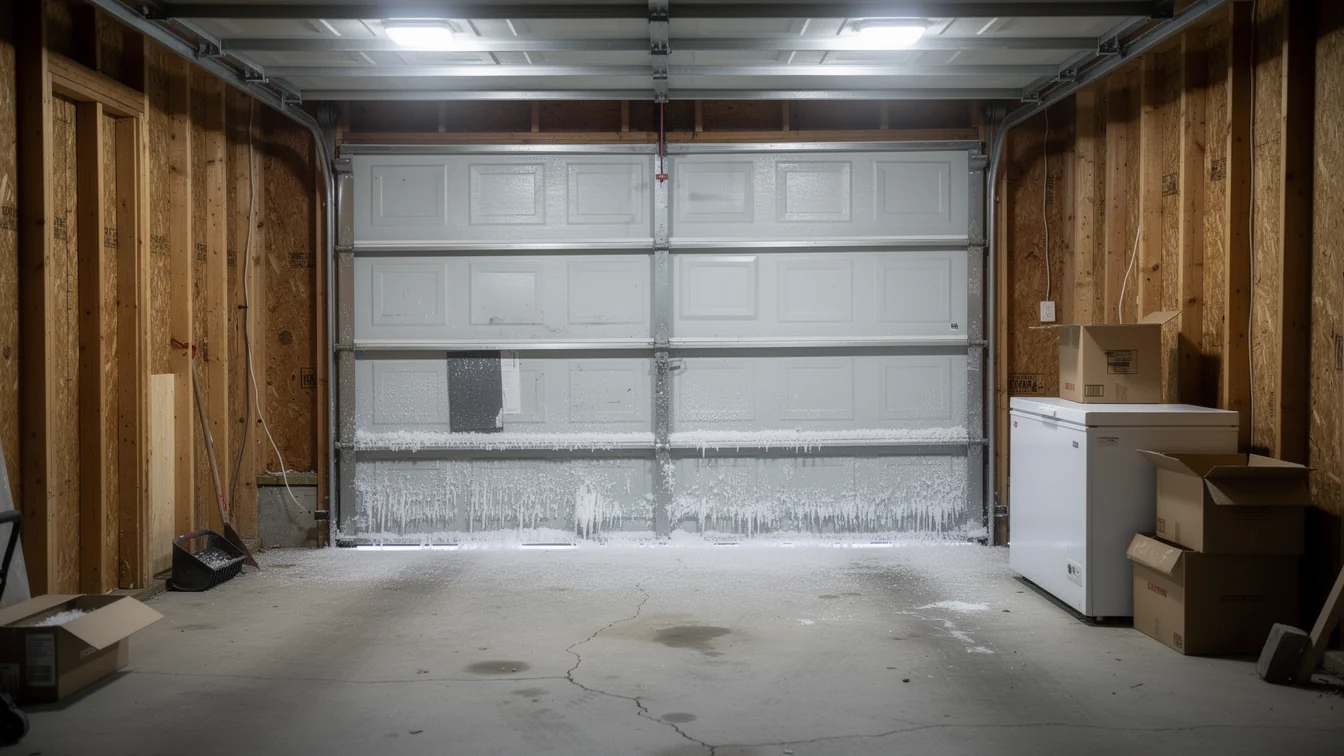
This area sits in a cold-severe climate band, and that matters more to a garage door than people expect. Steel contracts in cold weather, which tightens tolerances on tracks and hinges that were never perfectly aligned to begin with - so a door that ran quiet in July starts grinding or catching in January. Grease that's thinned out all summer thickens back up in deep cold, which is why openers on original 1960s-70s hardware often strain or stall on the first truly cold morning of the season. Cables and springs under tension are also more likely to snap in cold weather, because cold steel is more brittle steel. If your door has been quiet for months and suddenly starts making noise the week temperatures drop hard, that's not coincidence - that's the cold finding the weak point that was already there.
Talk to a local pro
Garage door trouble in Framingham?
Same-day service with honest, upfront quotes.